
No2DotAfrica Campaign
In Defense of the Vision — 2010–2012.
A counter-campaign launched by DotConnectAfrica
to protect the integrity of the “.africa” internet domain name
initiative against sabotage, misinformation, and institutional manipulation.
HISTORIC FIRST
A Pioneer in Accountability Campaigning for Internet Governanace
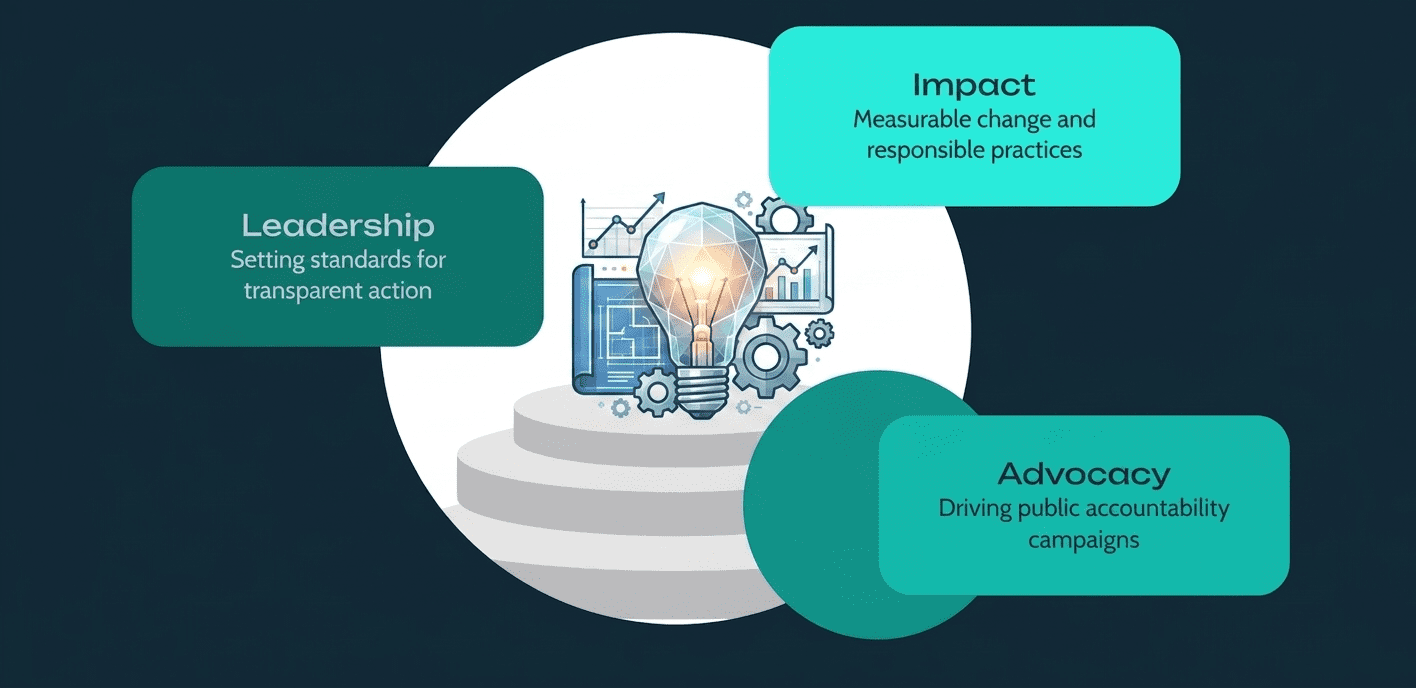
Long before viral accountability campaigns became a standard tool of digital rights advocacy, DotConnectAfrica pioneered the model.
The No2DotAfrica Campaign was unlike anything the internet governance world had seen — simultaneous, trilingual, documented, and devastatingly effective.
🌍 First of Its Kind
The first concentrated accountability campaign in internet governance history — setting the template for evidence-based digital advocacy.
🗣️ Trilingual Reach
The first trilingual counter-campaign in the domain name space — simultaneously deployed in English, French, and Arabic across 54 nations.
📧 Mass Mobilization
The first concentrated email and social media campaign of its kind in African digital advocacy — leveraging a 30 million-strong audience.
✅ Later Vindicated
Confirmed correct by the IRP, U.S. federal courts, and a decade of domain performance data. Every target named. Every argument won.
140+
Unsolicited Media Coverages
Pure organic reach — ICANN’s own discovery process found zero paid placements.
54
Countries Reached
Simultaneously, across the entire African continent and diaspora, advancing a coordinated global advocacy movement.
30M
Audience Built
The same audience cultivated by the Yes2DotAfrica campaign — redirected in defense of the vision.
This is not noise. This was a prophecy.
CONTEXT
Why the No Campaign Existed
The Yes2DotAfrica campaign was built on years of painstaking groundwork, institutional endorsements from the African Union Commission and the UN Economic Commission for Africa, trilingual outreach across 54 nations, and a clear, community-rooted vision for Africa’s continental digital identity. THe .africa TLD had been positioned among the top 50 hottest domains worldwide.
But visions attract opposition. When DotConnectAfrica’s momentum became impossible to ignore, the forces that sought to benefit from
Africa’s digital future, without having done the work, began to mobilize.
- Misinformation spread.
- Wikipedia entries were sabotaged.
- Evaluators were compromised.
- Processes were rigged.
What DCA Had Built
- AU Commission endorsement secured
- UN Economic Commission for Africa backing
- Top 50 hottest domains globally
- 30 million engaged stakeholders
- Years of community-rooted advocacy
What DCA Was Facing
- Deliberate misrepresentation of DCA’s mission
- Mass media manipulation campaigns
- Sabotaged Wikipedia institutional record
- Rigged evaluation processes
- Conflicted evaluators with predetermined outcomes
The No Campaign was not aggression. It was self-defense — a proportionate, evidence-backed response to willful sabotage of a legitimate, community-driven vision.
OFFICIAL RECORD
The Justification — In DCA's Own Words
DotConnectAfrica issued an official statement in response to public feedback on the No Campaign — a rare and transparent act of institutional accountability that documented the rationale in full.
🎯 Why We Launched It
A deliberate effort targeting those attempting to undermine the Yes2DotAfrica Campaign. To shed light on the opaque activities and shifting tactics of our detractors. To fight in self-defense — after winning the pivotal AU endorsement, willful sabotage forced our hand.
📢 What It Was Responding To
Misrepresentation of DCA’s mission, purpose, and stakeholder communities. Misinformation to the public on the implementation of DotAfrica and its merit. Mass media manipulation by those seeking to derail the vision before it could take root.
⚖️ What It Exposed
Acts of illegality by DCA’s detractors. Conflicting interests that made them unfit to lead or be engaged in the DotAfrica project — interests that were hidden from public view and from ICANN’s formal processes
✅ Why It Was Necessary
To ensure the Yes Campaign to DotAfrica was sustained. To protect the results this initiative required to succeed. Because if left unchecked, the naysayers would have torpedoed the DotAfrica dream entirely.
“These ‘No Campaigns’ are an unfortunate burden that we have to now bear — justified on the basis of their high efficacy.” — DotConnectAfrica, Official Statemen
TARGETS
What DCA Said No To
The No Campaign was not a single protest — it was a series of targeted, documented responses to specific threats. Each target was named. Each challenge was backed by evidence. Each “No” was a matter of institutional record.
🚫 No to the DotAfrica Cabal
A special interest coalition that attempted to hijack the .africa narrative and position itself as Africa’s authentic voice — without the track record, the endorsements, or the community mandate that DCA had spent years building from the ground up.
🚫 No to the African Registry Consortium (ARC)
ARC presented itself as a credible registry solution. DCA exposed that its executives were affiliated with UniForum SA — the entity managing .co.za — raising serious conflict of interest concerns. ARC was newly established, lacked community roots, and was not suited to lead a continental digital identity project.
🚫 No to AfTLD's Mandate Claim
In March 2011, AfTLD expressed interest in managing .africa. DCA challenged this directly: AfTLD had no mandate from African civil society or institutions, and its bid was seen as opportunistic given its existing relationship with ICANN.
🚫 No to the AU's EOI Process
When the AUC issued its Request for Proposal, DCA refused to participate. The process was structured to produce a predetermined outcome, excluded DCA despite years of prior engagement, and violated ICANN’s own applicant guidelines.
🚫 No to Conflicted Evaluators
DCA raised formal objections to evaluation panel members — several of whom had publicly aligned with ZACR and the AUC’s preferred outcome before the evaluation process had even commenced.
🚫 No to Wikipedia Sabotage
In October 2012, DCA published a press release documenting willful sabotage of its Wikipedia entries — removing five years of unmodified content and downplaying DCA’s founding role, working history, and institutional credentials.
CHRONOLOGY
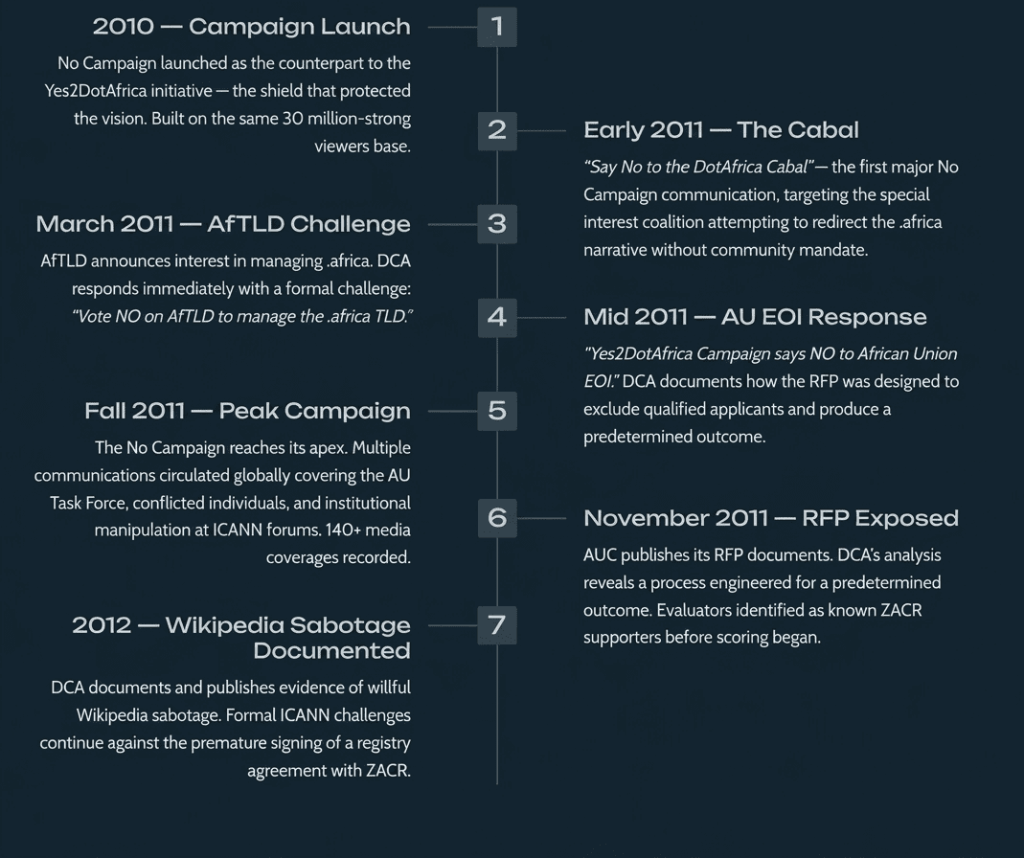
The No Campaign Timeline
From its launch in 2010 through the documentation of institutional sabotage in 2012, the No Campaign unfolded as a systematic, escalating defense of DCA’s vision — each communication timed to counter a specific threat as it emerged.
KEY EVIDENCE
The Deposition That Said It All
At the heart of the No Campaign was a simple truth — one that was later confirmed not by DCA’s own advocates, but under oath, by ICANN’s own witness in a U.S. federal court proceeding.
Perhaps most telling, ICANN’s own witness — the other institutional anchor of the competing bid —Erastus J.O. Mwencha, former Deputy Chairperson of the African Union Commission — testified under oath that the AUC first learned about the .Africa domain from DCA’s Sophia Bekele:
“Ms. Sophie is the one who told me about it.” He further confirmed that the AUC’s original endorsement belonged to DCA, not anyone else. (Mwencha Deposition, April 4, 2018, pp. 29, 62 — DotConnectAfrica Trust v. ICANN, Case No. BC607494)
Nine years after signing that original endorsement, Mwencha sat as ICANN’s own witness in a Washington D.C. — and the facts remained the same.
It was DCA — not the AUC, not any government, not any other entity — that first brought the vision of a continental digital identity to Africa’s highest political body.
Why It Matters
This testimony didn’t emerge from DCA’s advocacy — it came from the opposing side’s own witness, in a sworn legal proceeding. This is the most unimpeachable validation of DCA’s central thesis: that the institutions DCA challenged had no legitimate claim to the .africa domain, and that DCA’s resistance was not obstruction — it was the defense of the original vision.
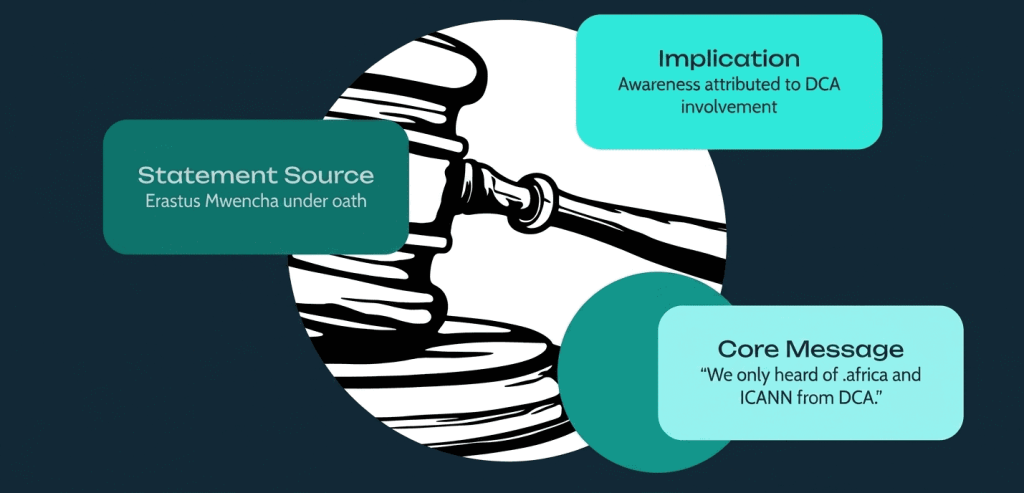
The man serving as the African Union Commission’s Deputy Chairperson — the institutional anchor of the competing bid — testified that his organization had no independent knowledge of .africa or ICANN before DotConnectAfrica introduced it to them. The architects were there from the beginning. The self-appointed “visionaries” arrived later.
What This Testimony Confirmed
- DCA was the originating institutional actor
- The AUC had no prior independent knowledge of .africa
- The competing bid was built on DCA’s foundational work
- The “community mandate” claim was manufactured after the fact
Why It Matters
This testimony didn’t emerge from DCA’s advocacy — it came from the opposing side’s own witness, in a sworn legal proceeding. It is the most unimpeachable validation of the No Campaign’s central thesis: that the institutions DCA challenged had no legitimate claim to the .africa domain, and that DCA’s resistance was not obstruction — it was the defense of the original vision.
PRIMARY SOURCES
The No Campaign Archive
Every No was documented. Every communication was published and preserved. The following are the key No Campaign communications issued by DotConnectAfrica between 2010 and 2012 — a living institutional record of resistance, evidence, and accountability.
The opening salvo — naming the special interest coalition and documenting its attempt to hijack the .africa narrative.
Exposing the conflict of interest at the heart of ARC’s bid and its ties to UniForum SA.
DCA’s formal rejection of the AU’s Request for Proposals — documenting how the process was structured to exclude qualified applicants.
DCA’s response to the African Union Commission’s attempt to assert unofficial authority over the dotafrica registry selection process.
DCA’s official public statement explaining the rationale, necessity, and legal basis for the No Campaign series.
The landmark blog post documenting the new gTLD “cuckoos” that had entered the .africa nest without invitation or mandate.
Vindication
What the Record Shows
The No Campaign was ultimately vindicated — not by rhetoric, not by advocacy, but by formal institutional findings, federal court proceedings, and the documented reality of .africa’s performance over a decade.
Every institution DCA said No to was later found — through ICANN’s own Independent Review Process, through U.S. federal court proceedings, and through the domain’s performance record — to have been exactly what DCA warned they were.
❌ Conflicted
U.S. federal court confirmed the AUC-ZACR relationship constituted a conflict of interest — precisely what DCA’s No Campaign documented years earlier.
❌ Unqualified
The IRP Panel declared in July 2015 that ICANN had violated its own Bylaws in handling the .africa application process.
❌ Wrong for Africa
After 10 years, .africa has only 55,000 registered domains — for a continent of 1.55 billion people. The “self-appointed ‘visionaries” delivered 55,000 domains.
2015
IRP Ruling Year
ICANN’s Independent Review Panel declared ICANN had violated its own Bylaws — vindicating DCA’s formal objections.
55K (2024)
Domains Registered
.africa after a full decade — for a continent of 1.55 billion people. The No Campaign delivered the truth.
1.55B (2024)
People Underserved
Africa’s population — representing the scale of the missed opportunity that DCA’s No Campaign fought to prevent.
The No Campaign was not noise. It was prophecy. The truth has no statute of limitations
FURTHER READING
Continue the Record
The No Campaign archive is part of DotConnectAfrica’s living institutional record — documenting not just the vision, but the resistance it had to overcome. Explore the full scope of DCA’s decade-long advocacy below.
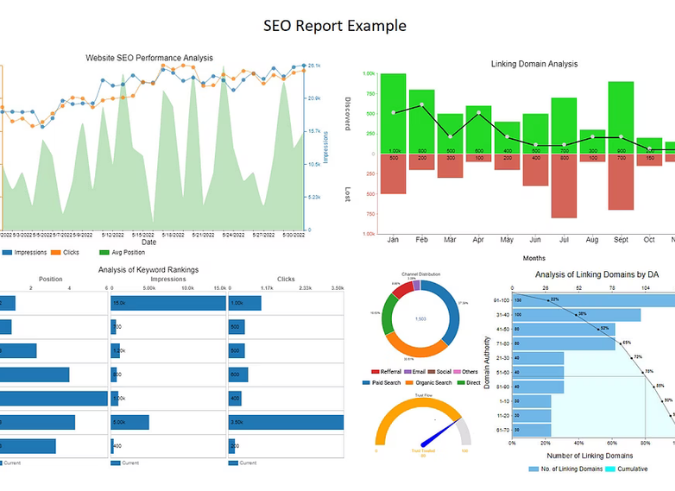
Did the AUC-aligned ZACR actually deliver for Africa? A decade of domain registration data tells the story DCA’s No Campaign predicted. Read the Review→
The full record of the affirmative vision — years of groundwork, endorsements, and community mobilization that preceded the No Campaign. Explore Yes2DotAfrica Campaign→

The independent encyclopedic record of the No Campaign — its scope, its targets, and its place in internet governance history. Read on ICANNWIKI→
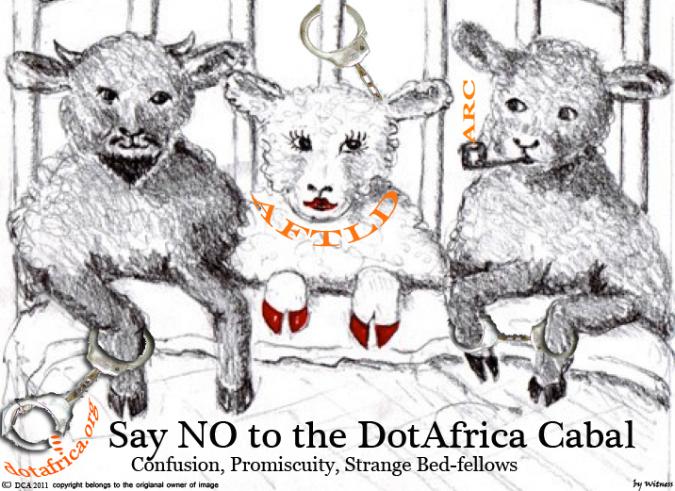
The full record of resistance, years of conflict, rival claims, and coordinated efforts to seize and redirect DotAfrica. Read More→

A call raising concerns over opportunism, profit-driven motives, and coordinated attempts to control DotAfrica for private gain. Read More→
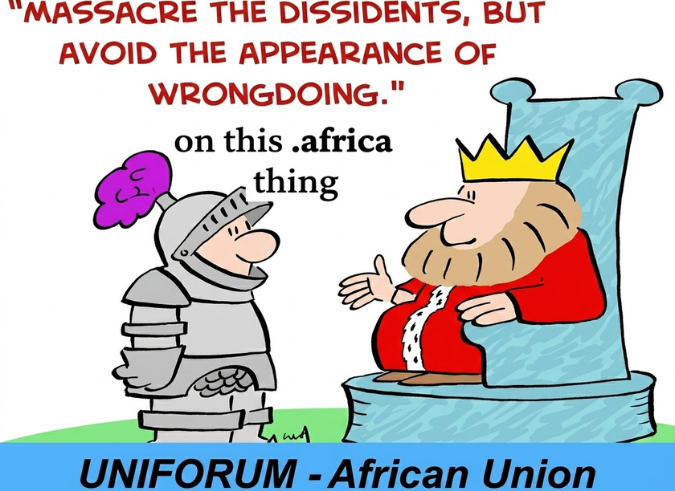
A press briefing, raising concerns over alleged wrongdoing, lack of transparency, and misleading claims surrounding DotAfrica. Read More→

Reject Dakar Agenda Masquerade
A critical exposé, questioning legitimacy, hidden agendas, and coordinated efforts to impose a misleading “African Agenda” on DotAfrica. Read More→
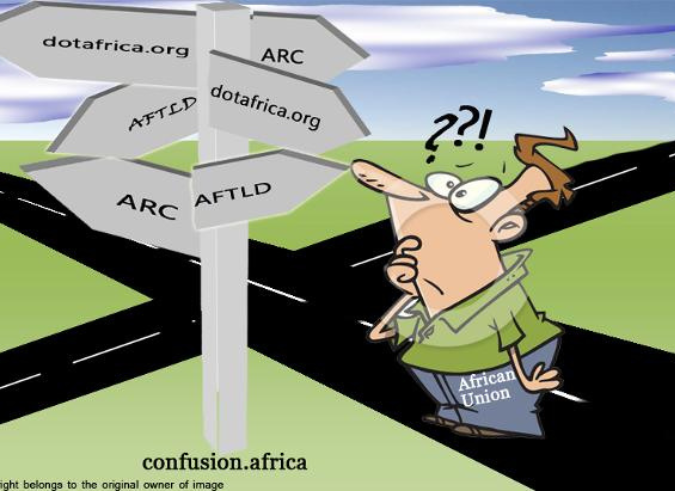
A critical statement highlighting concerns over legitimacy, conflict of interest, and unfair competition in the .africa domain process. Read AfTLD Part 1→ Read AfTLD Part II→
A commentary raising concerns over alleged irregularities, conflicts of interest, and unfair practices in the DotAfrica process. Read More→
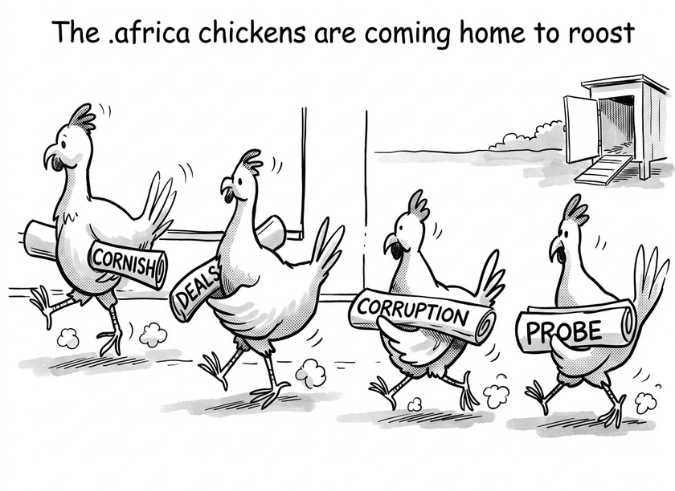
A statement opposing the AU RFP, citing concerns over lack of transparency, conflicts of interest, and a process seen as unfair. Read More→
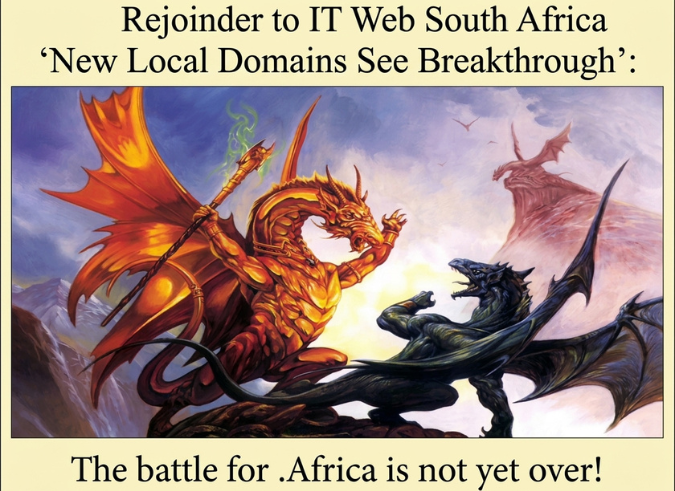
A response challenging misleading claims, stressing DotAfrica remains undecided, and urging fairness and transparency in the process. Read More→
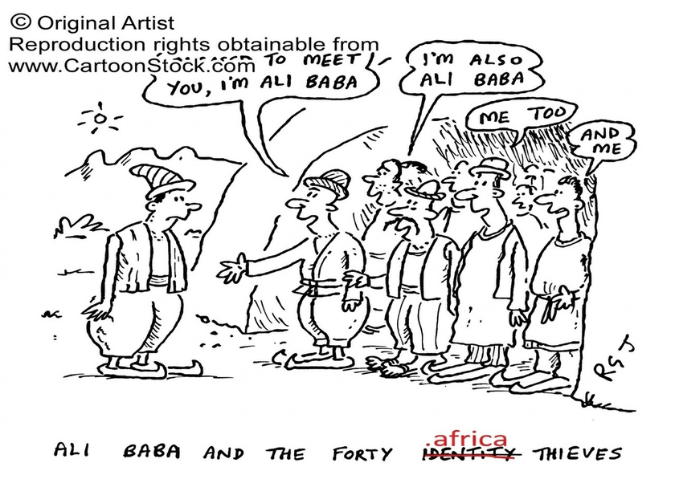
A formal response challenging claims on DotAfrica, disputing endorsements, and stressing fairness and due process. Read More→
Institutional Record Note: The No Campaign archive is preserved in full as part of DotConnectAfrica’s documentation of the .africa domain history. All linked communications are primary sources, published contemporaneously between 2010 and 2012, and have never been retracted or revised.